Weight, upkeep and thickness: the comparison
Weight per square metre directly determines how the base is sized — it's the first thing to know before choosing a top, even before looks.
| Tabletop | Weight (2 cm thick) | Recommended minimum thickness | Upkeep |
|---|---|---|---|
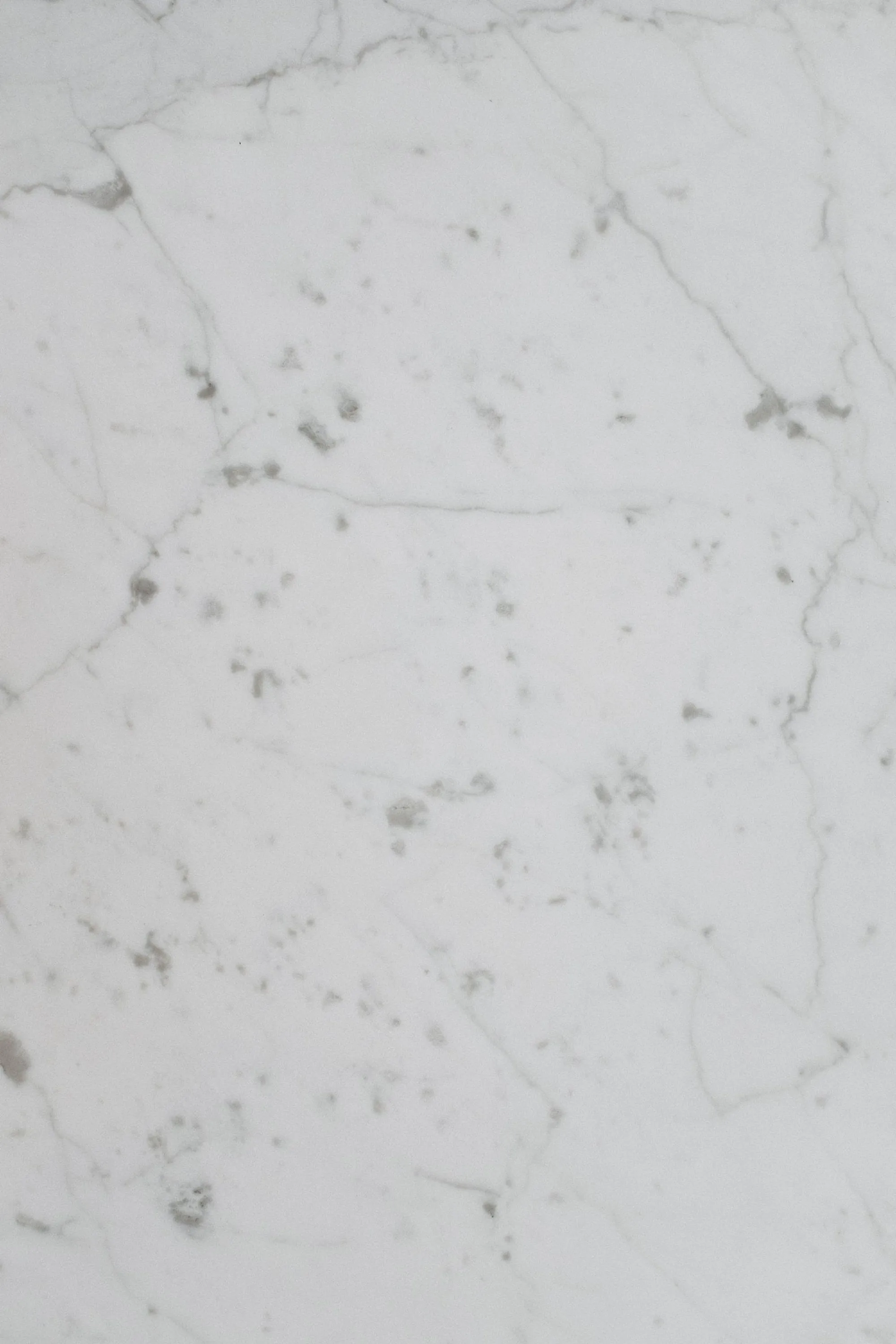
| Marble | ~54 kg/m² | 2 cm | Water/stain-repellent treatment renewed periodically — porous material |
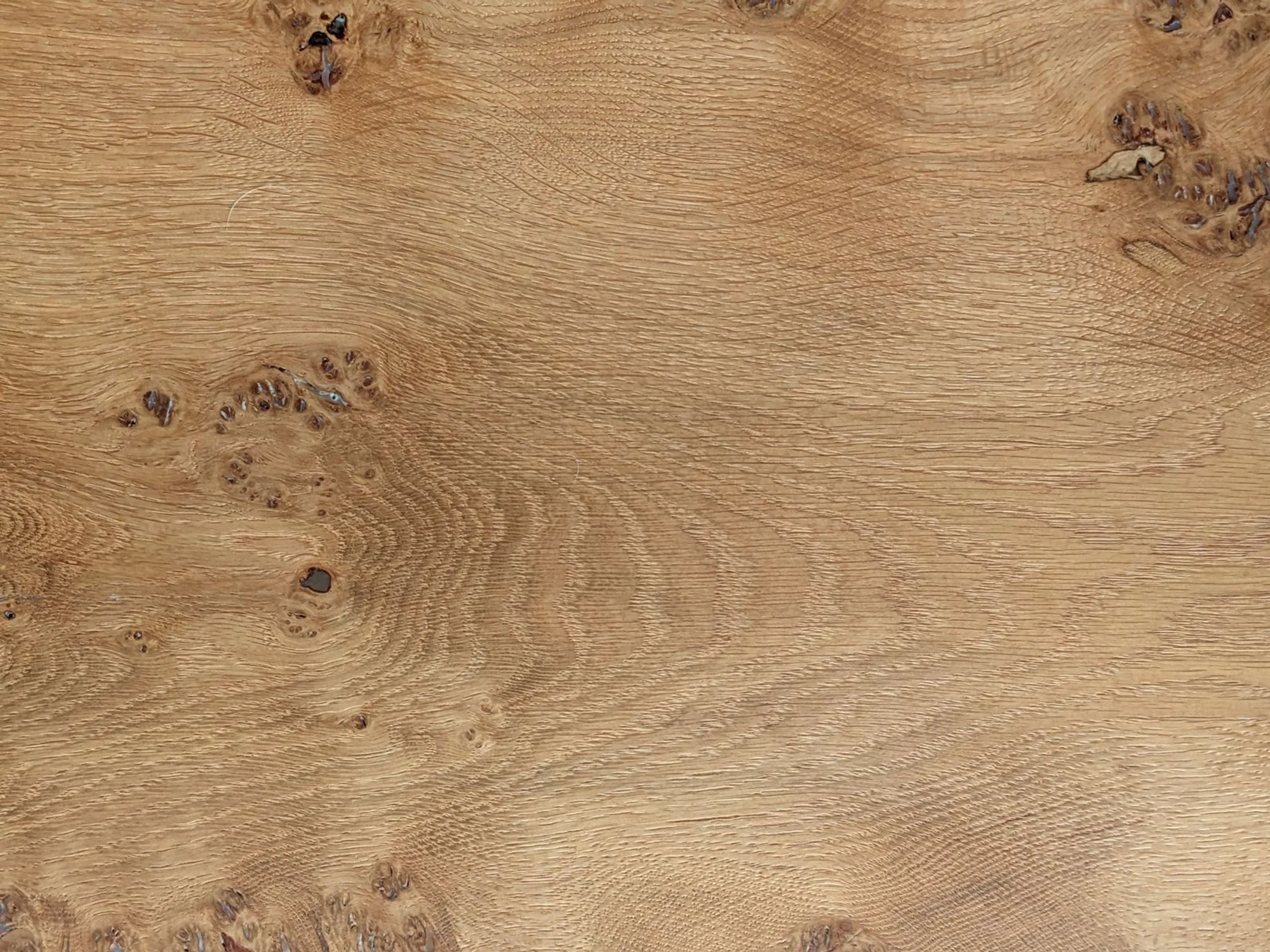
| Solid oak | ~22 kg/m² (3 cm) | 2.5 cm | Oil or wax, 1-2 times a year — the simplest day to day |
| Stone (limestone) | ~48 kg/m² | 2 cm | Water/stain-repellent treatment renewed periodically — porous material |
Weights computed from each material's usual density (marble ≈ 2,700 kg/m³, oak ≈ 750 kg/m³, limestone ≈ 2,400 kg/m³) — a thicker top weighs proportionally more, and changes how the base needs to be sized.
Why the tabletop is chosen before the base
A base sized to carry solid oak doesn't have the same fixing points or iron section as one designed for a marble or stone top, more than twice as heavy at equal thickness. That's why the workshop asks for the tabletop material at quote stage, before drawing the base — never the other way round.
Three characters, not just three materials
Beyond weight, each tabletop gives the console a different character: marble brings a statement look and veining that's always unique, solid oak a warm feel and the lightest day-to-day option, stone a matte mineral look, more discreet than marble while staying close to its weight.